Meggs' History of Graphic Design, 7th ed.
7th Edition
About the 7th Edition
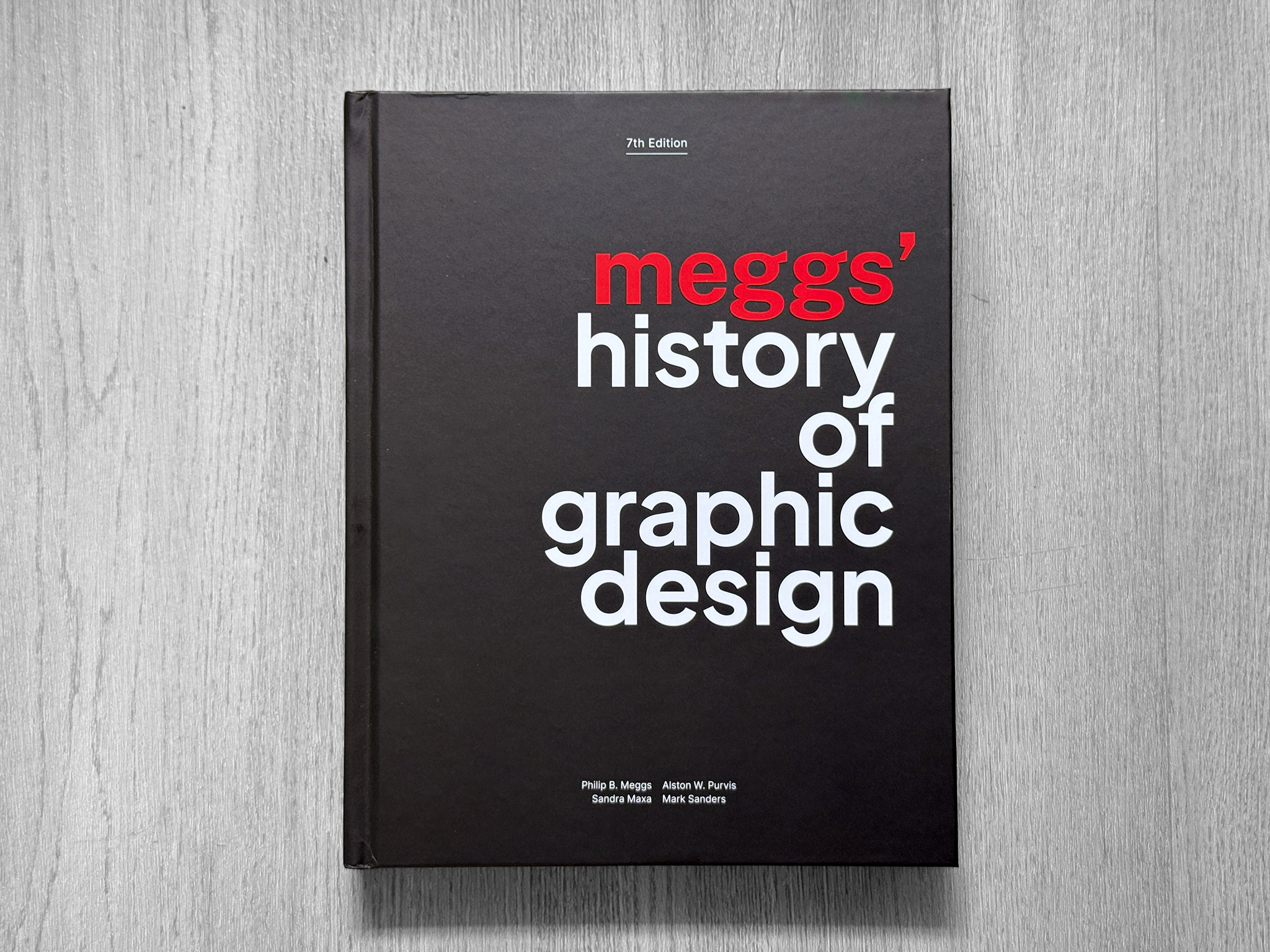
In 1983, Philip B. Meggs prefaced the first edition of A History of Graphic Design by writing, "History becomes a reflection of the needs, sensibilities, and attitudes of the chronicler's time as surely as it represents the accomplishments of a bygone era." The work of graphic design now encompasses artifacts, experiences, frameworks, processes, data, and more. The methods graphic designers employ can be described as utilitarian, user-centered, theoretical, and multidisciplinary. The goal of communication remains the same, but how, who, what, where, and ultimately why graphic design is created are vastly more difficult to describe. A re-examination of the current and emerging needs, sensibilities, and attitudes of graphic design is essential to charting its future.
Table of Contents
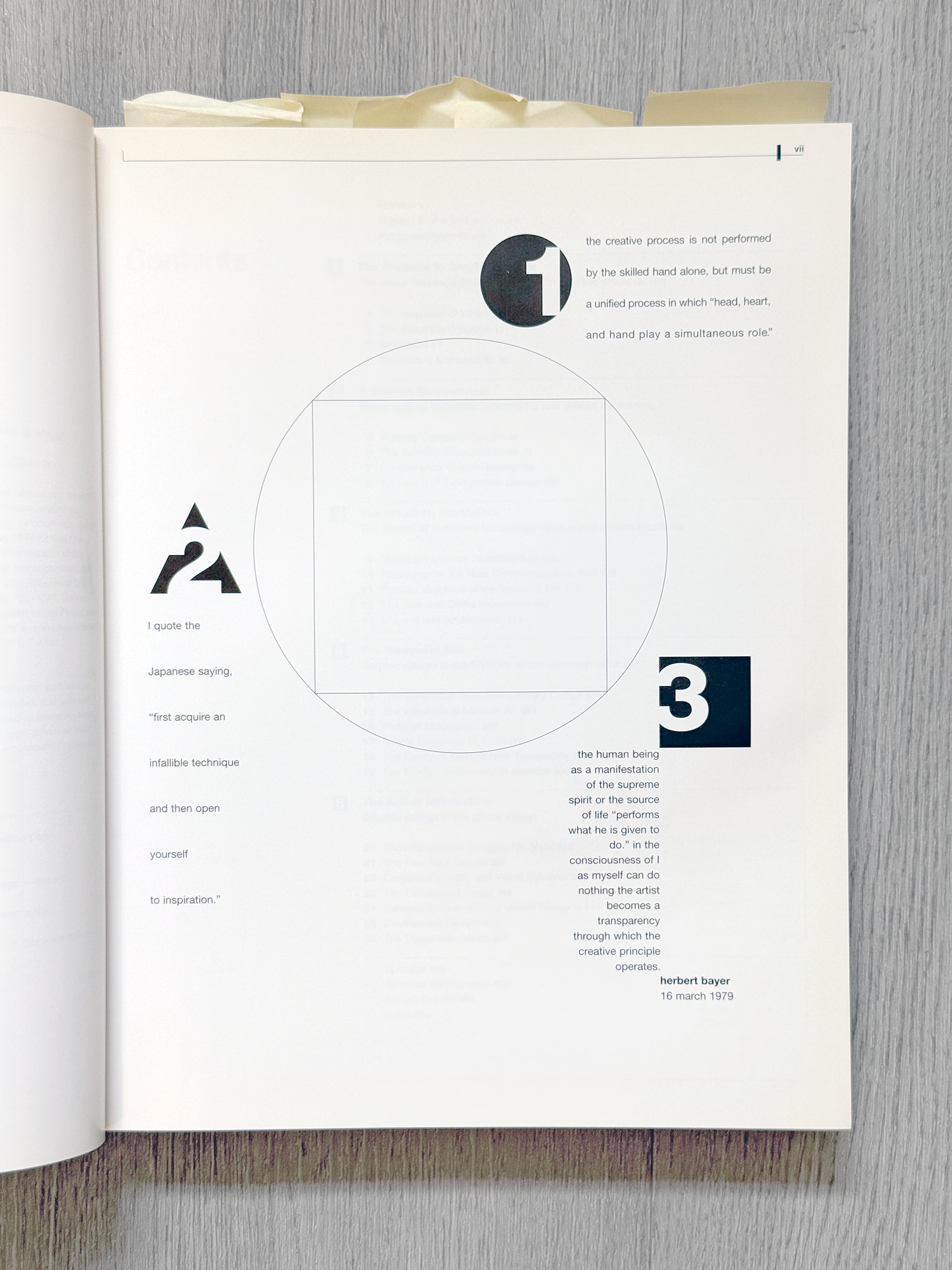
- Preface to the Seventh Edition
- Preface to the First Edition
- Acknowledgments
- Chapter 1: Timeline
- Chapter 2: Overview of Graphic Design History
- Chapter 3: Writing
Using marks, symbol systems, alphabets, and syllabaries to communicate across time and cultures. - Chapter 4: Exalting
Honoring sacred and religious texts by adorning scrolls, books, architecture, and objects. - Chapter 5: Inventing
Designers invented methods like carving, casting, and etching to quickly and widely distribute visual materials, and expanded into how information is created and broadcast. - Chapter 6: Persuading
Using design to shape public opinion, advertise products, promote services, and grab attention with a range of visual and production techniques. - Chapter 7: Unifying
Using typography, icons, color, grids, and sequences to bring together print, motion, and architectural graphics into a unified whole. - Chapter 8: Representing
Drawings, trademarks, custom fonts, patterns and symbolic images can be used to embody people, places, products, services and ideas. - Chapter 9: Explaining
Using design to document, teach, or inform via illustrated books, maps, infographics exhibitions, interactive media, and visual journalism. - Chapter 10: Refining
Typefaces, grids, images, and even ideas are reshaped to sharpen how graphic design communicates. - Chapter 11: Interpreting
A way of seeing, a point of view, an analysis, a translation, storytelling, and use of metaphor. - Chapter 12: Criticizing
Designers, movements, manifestos, and editorial commentary that argues for new ideas and used visual communication to raise awareness of political and social issues. - Chapter 13: Mobilizing
Movements, posters, propaganda, and other forms of visual communication that urge action on political, social, and civic issues. - Art and Design Movements and Styles
- Bibliography: 7th edition
- Bibliography: previous editions
- Image Credits
- Index
- Colophon
Authors

Philip B. Meggs
Authored the first edition of A History of Graphic Design in 1983 and two subsequent editions before his death in 2002. A pioneer in the field, he was a designer, educator and author of more than a dozen books and 150 articles and papers on design and typography.
In the 1970's Phil received a grant from the National Endowment for the Arts for a series of traveling lectures which later became the core of A History of Graphic Design. In a 1983 New York Times review, the book is described as “a significant attempt at a comprehensive history of graphic design. It will be an eye-opener not only for general readers, but for designers who have been unaware of their legacy.”
Alston W. Purvis
Authored the fourth, fifth and sixth editions of Meggs' History of Graphic Design. He is Professor Emeritus of Graphic Design at Boston University College of Fine Arts and author or co-author of numerous books on graphic design history specializing in Dutch and European design and typography.
Sandra Maxa and Mark Sanders
Authored and designed the seventh edition of Meggs' History of Graphic Design. Sandra is the director of the Graphic Design Master of Arts program at the Maryland Institute College of Art (MICA) where she teaches design theory, process and typography. Additionally, she develops collaborative studio projects with artists, illustrators and community partners. Her research investigates the connection between archives, narrative and culture.
Mark has taught typography, systems, and interaction design with research focused on reinventing typographic and digital frameworks to address the expanding roles and mediums of design. He is particularly interested in exploring interaction design as a folk art pursuit, expressing cultural identity by conveying shared community values and aesthetics through digital interface, architecture, and experience.
Mark and Sandra are partners at the multi-disciplinary studio Q Collective and produce work that reflects a deep interest in identity, interactivity, history, play and visual culture.
Previously, they revised and designed two editions of Typographic Design: Form and Communication which was originally authored by Phil Meggs with Rob Carter and Ben Day and first published in 1993.